Context
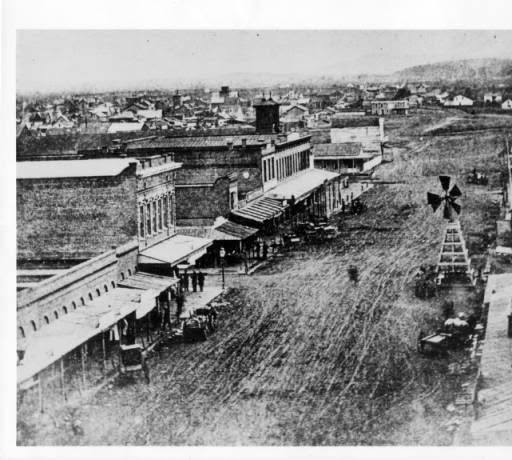
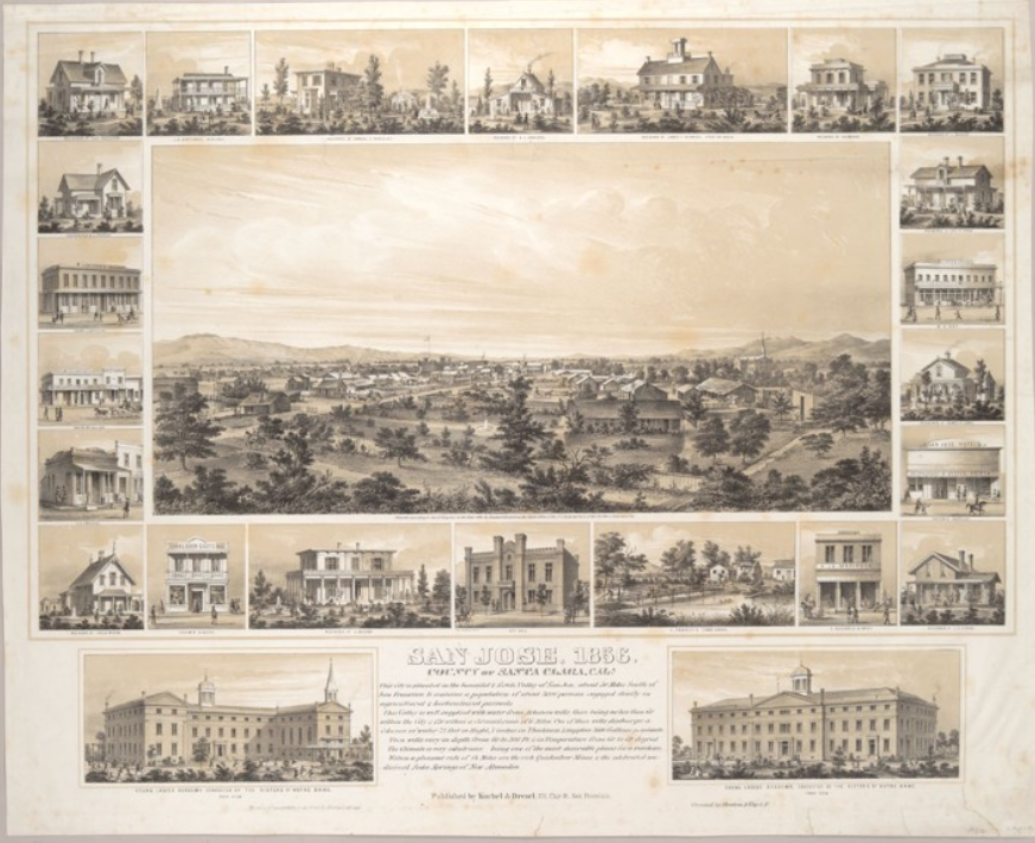
1856 was a year of civic formation in the Santa Clara Valley. The Odd Fellows charter that became today’s True Fellowship Lodge No. 52 dates to January 1856. Telegraph wires had already linked San José to San Francisco, and steamboats connected the city to the Bay through the port at Alviso. Nearby, the New Almaden quicksilver mines anchored local employment and regional trade.
Morning
A shopkeeper near the central plaza opens shutters onto unpaved streets. Adobe-era buildings sit beside newer wood-frame storefronts. Farmers arrive with wheat, hides, and produce. Teamsters mention consignments routed through Alviso for same-day or next-day steamers to San Francisco.
Midday
A clerk heads to the telegraph office. By 1856, messages carry market prices and shipping notices from San Francisco to San José the same day. The merchant updates a ledger, sets prices, and posts a notice for customers who read local papers while they wait.
Business ties
Orders to suppliers ride the next steamer. A runner takes a note toward New Almaden, where mercury production feeds gold and silver operations across the West. In January 1856, the federal land commission confirmed the long-contested Castillero claim to the mine, a decision every trader follows because it affects wages, freight, and supply.
Late afternoon
Crates arrive from Alviso. Goods are tallied and shelved. Customers talk national politics from the 1856 election and violence in Kansas Territory. The tragic 1853 Jenny Lind steamboat explosion is still in local memory, a reminder of how closely San José’s commerce and community are tied to the Bay.
Evening
Accounts are settled in coin or drafts on San Francisco houses. The shop is barred for the night. Neighbors discuss San Francisco’s Vigilance Committee turmoil and a February 1856 Peninsula earthquake that many felt in town. The merchant walks home past the plaza.
Why this matters to Odd Fellows
Lodge No. 52’s origin year places members directly inside this environment of practical mutual aid. Telegraph lines, stage routes, and Alviso steamers formed a network of help and information. Fellowship meant knowing where families worked, how shipments moved, and who needed support when the mines slowed, a steamer failed to arrive, or prices turned.
— by John Jensen